Categories
Blogs

Escalating geopolitical tensions and shifting US foreign policy under Trump

Summary

Recent developments highlight rising geopolitical instability, with Iran threatening Azerbaijan and advocating for a military bloc with Russia and China. The US under Trump appears to be pursuing a deal with Iran over the Strait of Hormuz, despite unresolved disputes over control and tolls, while Ukraine faces fluctuating US support amid Russian military adaptations. Domestic US politics reflect deepening polarization, with Trump’s actions and rhetoric signaling broader systemic challenges.

Key Stories

Iran threatens Azerbaijan and pushes for Russia-China military alliance — An Iranian MP warned Azerbaijan of potential destruction within hours and called for a joint military command with Russia and China, signaling a shift toward bloc formation and heightened regional tensions in the South Caucasus.

US-Iran deal on Strait of Hormuz sparks legal and geopolitical disputes — Trump announced the Strait of Hormuz will be open to all post-deal, but Iran insists on administering tolls, conflicting with US demands for unrestricted access. The disagreement may indicate a broader struggle over maritime control and sanctions relief.

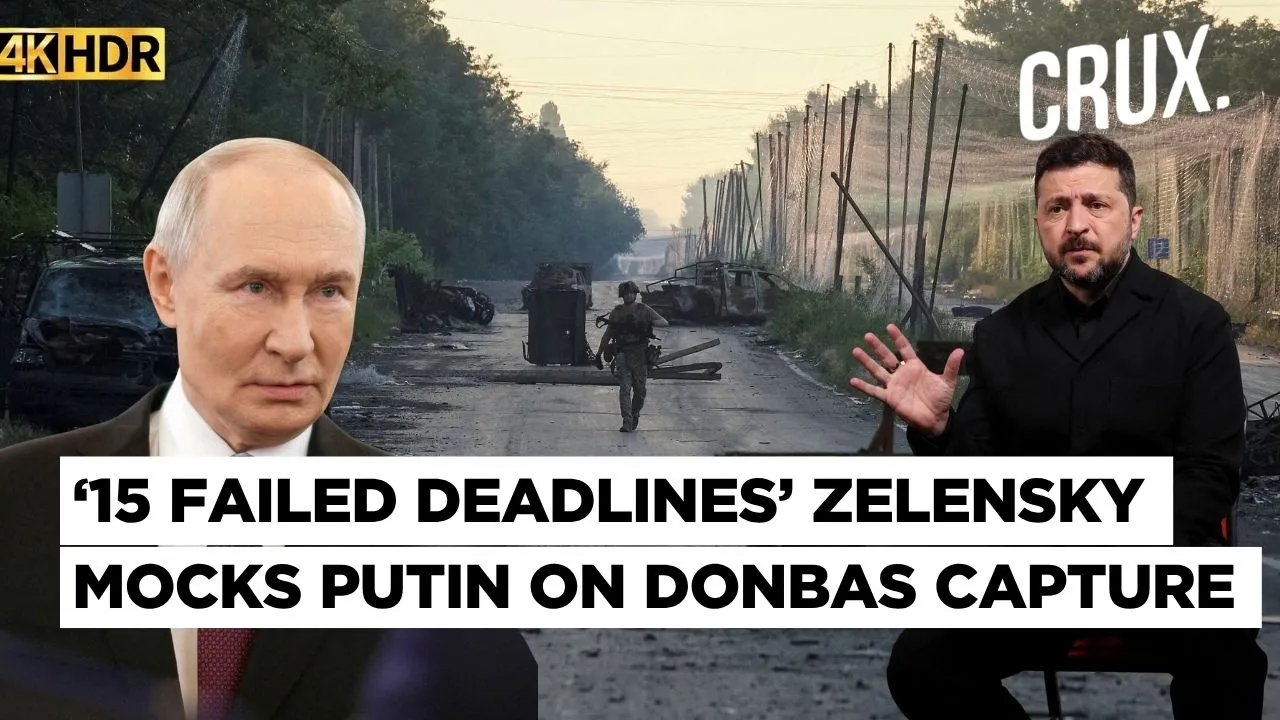
Ukraine’s military gains met with erratic US support amid Russian adaptations — Ukrainian drones targeted a key Russia-Crimea supply bridge, prompting Russian use of a pontoon bridge, while Trump’s fluctuating aid commitments—swayed by Putin’s influence—suggest a pattern of inconsistent US backing for Ukraine.

Trump’s domestic policies reflect broader democratic and institutional erosion — Trump’s plan to gut and renovate the Kennedy Center, despite legal opposition, and his administration’s avoidance of Ukraine highlight a trend of institutional disruption and alignment with autocratic values over democratic partnerships.

Analysis warns of systemic breakdown in US democracy and global war risks — A critique argues Trump’s dominance reflects a deeper crisis in American democracy, with oligarchic rule driving both domestic authoritarianism and global conflicts, including potential nuclear escalation in Ukraine, Gaza, and Iran.